Past Events

9 November 2021

Unpaid care and domestic work in Japan

Women in Japan were estimated before the pandemic to spend 4.8 times as much time as men on unpaid work, a gap significantly higher than that of the UK, where it is 1.8x. Pandemic-related measures and lockdowns have increased the burden on women, who face difficulties balancing the number of unpaid working hours with the rest of their lives. Despite being a serious situation in Japanese society, this multifaceted problem is rarely taken up by politicians and often overlooked by the media. In this webinar, the speakers discussed the current situation in Japan and its causes, including multigenerational households and caring relationships, as well as the social norms and structures that reinforce gender inequality in Japan.

Fully bookedMore info

2 November 2021

UK-Japan Security Cooperation in a Historical Context: From Afghanistan to Afghanistan

The visit to Japan by UK Carrier Strike Group 21 marked an important step towards the deepening of UK-Japan security cooperation. It is seen as an implementation of the UK’s recent “Indo-Pacific tilt” in foreign policy, but also exists in a much larger historical context: two wars in Afghanistan fought by British forces, in 1878-1881 and 2001-2021, both accidentally introduced closer security cooperation between the two island powers. What are the implications for the future of UK-Japan relations? Professor Yuichi Hosoya gave a historical perspective, before Paul Madden CMG, former British Ambassador to Japan, commented and moderated a discussion with the audience.

28 October 2021

Two literary Brits in Japan

In this talk, our Director General Jason James shared the story of two writers who stayed in Japan in the 1920s. Edmund Blunden arrived in Japan in 1924 to take up a post as Professor of Literature at Tokyo University. The novelist William Plomer arrived in 1926, and the two became friends, of a sort. Upon returning to the UK, both spread the word about Japan and their influence still remains in today’s cultural scene.

Fully bookedMore info

15 October 2021

The US Withdrawal from Afghanistan and the Changing Global Power Balance

The withdrawal of all US troops from Afghanistan has altered Asia’s geopolitical map, with potential implications for global power relations with actors like China and Russia. The US is expected to focus more attention on the Indo-Pacific region in years to come, intensifying a potential confrontation with China and increasing the concerns of the international community. How could this affect Japan? In this webinar chaired by Gideon Rachman, the panellists discussed the implications of the Afghanistan fiasco for geopolitics more broadly, including Japan-US-China relations, and the implications in the Indo-Asia-Pacific region.

14 October 2021

コンテポラリーダンサー髙瀬譜希子氏による アーティストトークイベント

本ウェビナーでは、世界で活躍するコンテポラリーダンサーの髙瀬譜希子氏に、プロとして活動するまでの軌跡、コンテポラリーダンスの魅力、最新の作品について語っていただきます。また、コロナ禍でダンサーとしての活動をどのように調整してきたか、コロナ禍における心境、新たなコンテポラリーダンスの可能性、芸術を通じた人生の捉え方などについても意見も伺います。

13 October 2021

Artist Talk: Distance and Sensation by Kota Takeuchi

In this talk chaired by Dr Lena Fritsch, Kota Takeuchi shared his latest project unearthing the history of the first transcontinental weapon called “balloon bombs.” Developed by the Japanese military in World War II, they were carried on high altitude air currents across the Pacific Ocean and landed across North America. News of these bombs and their effects were censored during the war so it is a largely unknown story. Takeuchi has explored national archives, visiting places the bombs landed across the United States, and talking to witnesses, to create a new video work situating the bombs in relation to the mythical Japanese blind figure Tenome.

Fully bookedMore info

12 October 2021

Net Zero by 2050 in the UK and Japan

Many countries around the world are announcing pledges to achieve net-zero greenhouse gas emissions to combat climate change, with a global goal to achieve net-zero by 2050. But there are crucial questions over how these targets can be hit. For instance, what does the transport and energy supply industry need to do to meet the target? And what are the biggest challenges in carbon reduction? In this webinar, the speakers presented on current policies and strategies, and the challenges faced in meeting these targets, focusing on how the UK and Japan are planning to achieve net-zero emissions by 2050.

Fully bookedMore info

5 October 2021

Rui Matsunaga in conversation with Dr Charlotte Mullins

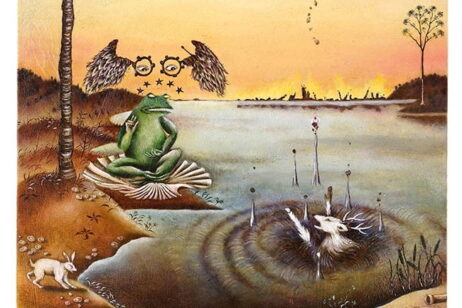
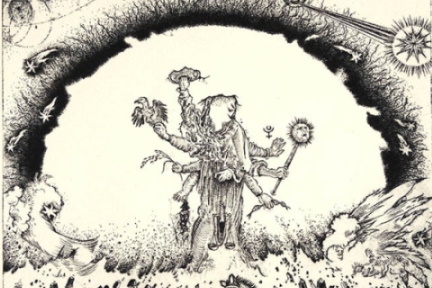
Rui Matsunaga’s work combines a western Christian discourse with her Japanese cultural background. It is woven with animism and full of ambiguous stories. In this talk, the artist discussed with Dr Charlotte Mullins her philosophical interest in animism, and how the films and manga comics she grew up with strongly influenced the formation of her identity, from which she visualizes her stories and creates parallel worlds to reflect on the context of our current crisis. Matsunaga finds inspiration in Renaissance masterpieces filled with Christian mythology. She discussed how she has interpreted them into the symbolical and mystical language with which she describes the world.

Fully bookedMore info

29 September 2021

The Influence of Colonialism in Art Practice

This webinar explored the intersection between colonialism and art from various perspectives. Janine Francois, a Lecturer at Central Saint Martins, explored the interconnections between colonialism, art museums and decolonisation based on their doctoral research at Tate. Dr Hiroki Yamamoto, a Lecturer at Kanazawa College of Art, addressed the topic of transnational legacies of colonialism in East Asia, including socially-engaged art in postcolonial Japan. Finally, Dr Khairani Barokka, an Indonesian writer, researcher, and interdisciplinary artist discussed how art practice in and about Southeast Asia has been shaped by colonialism.

Fully bookedMore info

24 September 2021

The Future of Remote Working

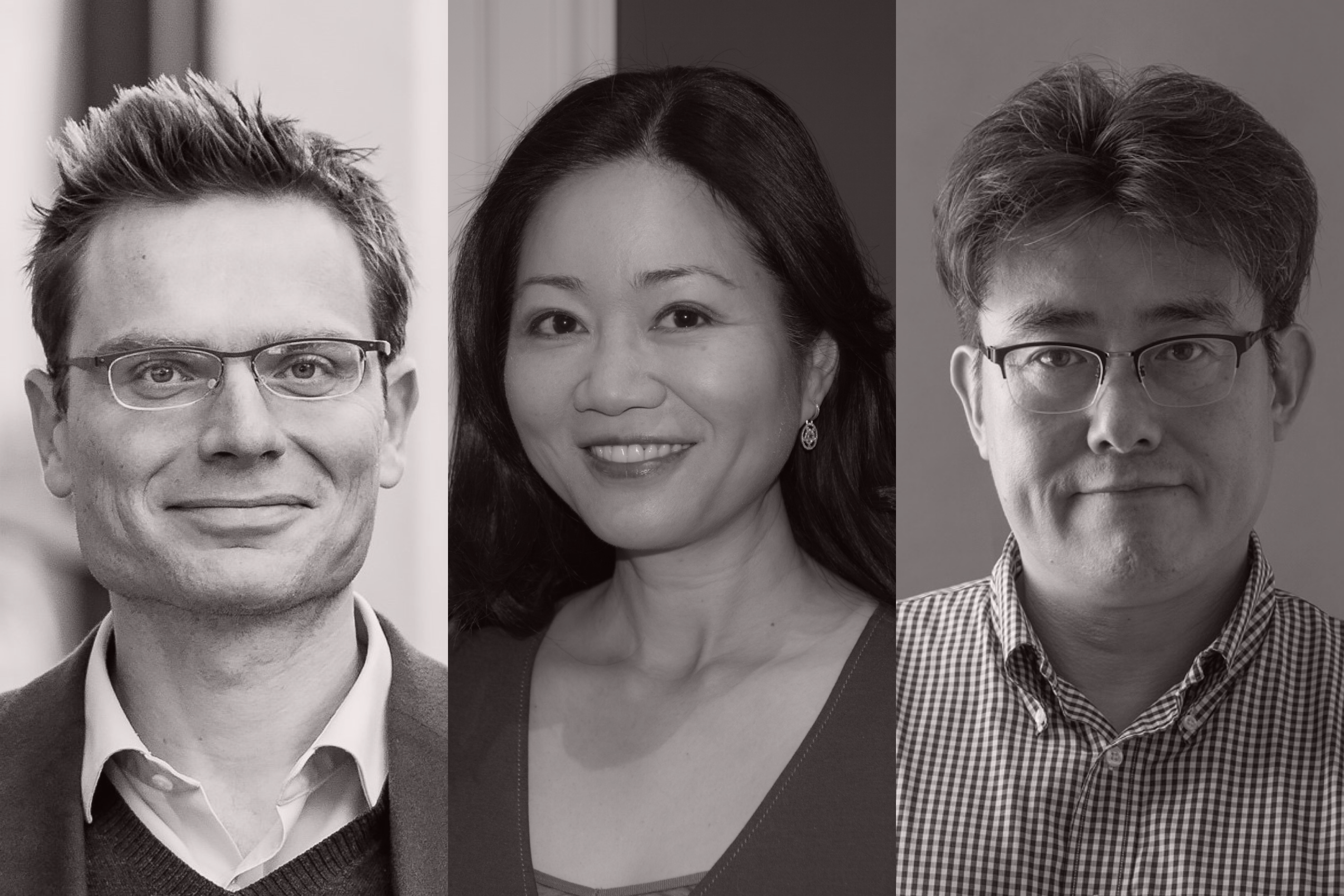
The Covid-19 crisis and restrictions on mobility have forced a significant part of the labour force to work remotely over the last year, accelerating the trend towards working from home. An increasing number of employees see benefits in this working style, and improvements in productivity have also been reported. Meanwhile, the response from employers has been varied, with some of them calling for a prompt return to the office, and others providing the flexibility of a hybrid work approach, or even allowing their employees to work from anywhere in the world. So what will the future of work look like after Covid-19? In this seminar, chaired by Linda Yueh, the speakers analysed the current situation, the challenges, and the future of work, based on their own empirical research.

Fully bookedMore info

17 September 2021

Health System during the Pandemic in the UK and Japan

The COVID-19 pandemic is exerting enormous pressure on health systems around the world. Even high-income countries previously considered to have resilient health systems have not always been able to respond adequately. In this webinar, the panellists analysed the current status and challenges of the health care systems in the UK and Japan as they respond to the worst pandemic for a century. They also compared the responses of these healthcare systems, both to coronavirus and to other diseases, with those of other European OECD members.

Fully bookedMore info

9 September 2021

Private View: The Myth of Survival by Rui Matsunaga

The Private View was a chance to have a first look at the exhibition The Myth of Survival by Rui Matsunaga. The exhibition title points to the links between ‘myths’ and ‘survival’. Survival itself is something of a myth, as we live in a world in which famine, plague and war have not been solved. Meanwhile, we need myths for survival. The ‘human story’ described by Yuval Harari binds humans together by building our social identity as the strongest species on the planet.

Fully bookedMore info
Toggle navigation